 scinet-industries.vercel.app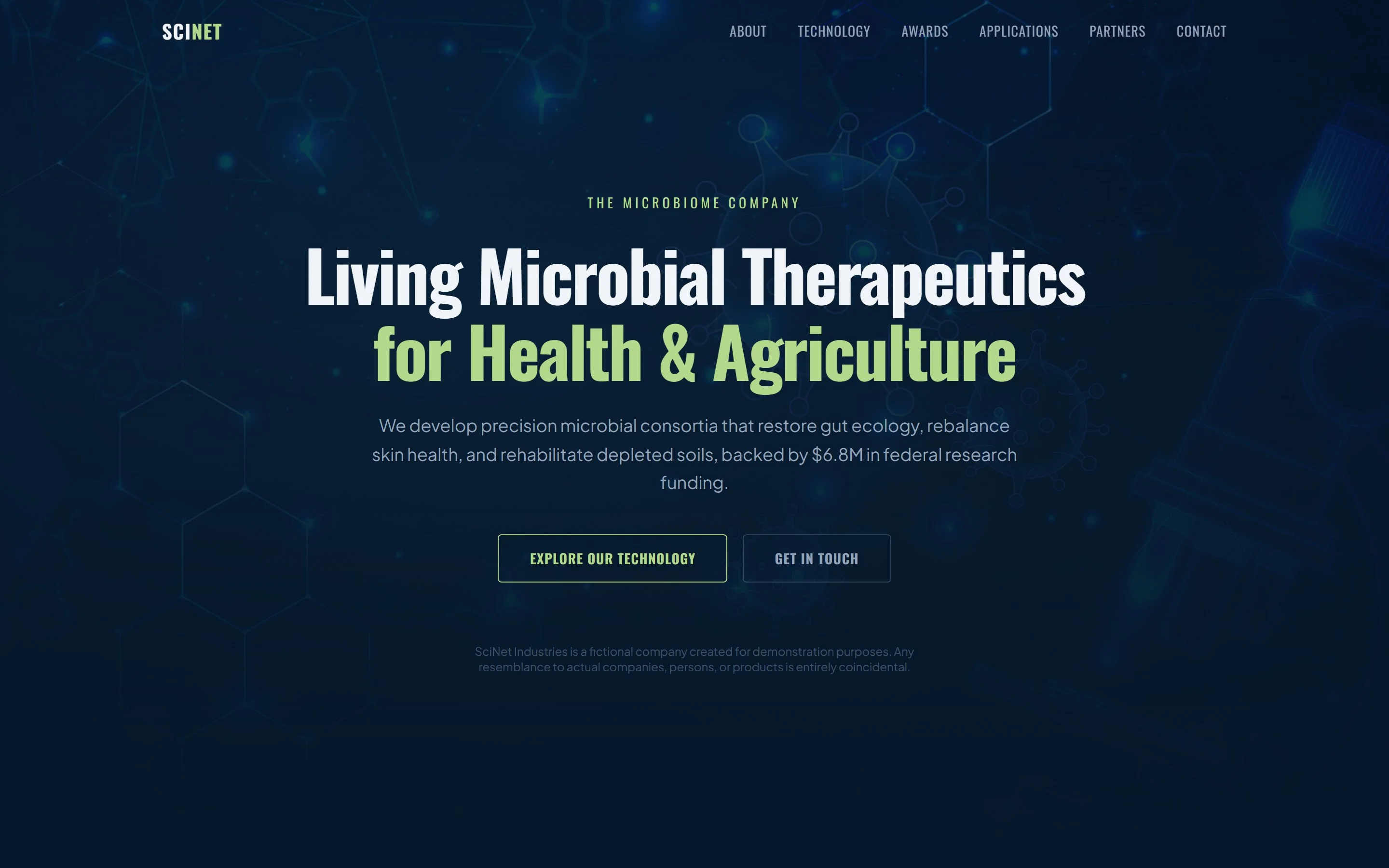
SciNet Industries
Visit live siteA brand and product site for SciNet Industries, a microbiome-therapeutics concept.
View site ↗The design in front of the code
Web design is everything a visitor sees and feels on your website: the layout, the color, the type, and the path that turns a stranger into a customer. I'm Chad Lewine, and I've been designing websites for 20 years. Bring me a brand and I'll design a site that earns trust on sight, or bring me the idea and we'll find the look together.
People size up a website in about one second, but what they're really sizing up is your business. The quality of your website design is what makes or breaks a first impression.
All projects are built from the ground up, meaning no templates or page builders. Your website will be distinguished and unique in the truest sense.
The person who designs is the person who builds, and is also the person who does the sale, the proposal and the maintenance. Read about that person here.
I've been designing websites for 20 years, long enough to know which trends will still look right in five, and which ones are already aging.
Thoughtful Design & Details. A thoughtful design indicates that a business cares about details, which translates into quality of product or service a potential customer can expect to receive. A website with loose ends, broken assets, misalignment or chaotic branding is an indicator the business does not care about the details. You can guess what that translates to regarding the service or product.
User Interface & Navigation. A site can be beautiful yet still leave the visitor hanging and cause them to bounce. A great website design includes effective interface and navigational design decisions. This covers concepts like what feels clickable, scrollable, and what action an individual page moves the visitors towards.
Memory and Impact. Most people browsing for a product or service online are simultaneously doing other things, which means your website has to stand out from the amalgam of social media, YouTube, news and competitor websites a visitor may be surfing, along with your site. These days, impactful design requires a bespoke design that stops a visitor in their tracks and leaves an imprint in their mind long after they leave. "Oh, that was the site with the yellow glowing rectangle!" kind of thing.
Try it yourself
Grab the divider and drag. Everything that changes is design.
Step 1
I interview you to extract the necessary information about your business like company history, mission and vision, important products or services, milestones, etc.
Step 2
Based on the information and content collected in the discovery phase, I build an SEO and user-friendly sitemap to visually organize all of your pages in an easy to read and digest visual. This usually becomes the main menu.
Step 3
The overall design of the site will be delivered with the first revision of the homepage. The rest of the pages will mimic this overall design but have their own content in the main part of the page.
Step 4
The rest of the website's pages will be built out with the design from the homepage and the content provided. This includes product pages and blog posts.
Step 5
The website pages and content will be optimized for search out of the box. This does not mean you will show up #1 for "dog groomers" but it means the site will be in the best shape it can be to begin competing for ranking on Google/Bing.
Step 6
This is the last step. All content and pages must be complete before mobile testing and optimization is performed.
Step 7
We launch the site on your main domain. We ask friends and family to visit the site and test it out to try and find any last bugs we did not catch or issues with specifics operating systems, browsers or devices.
Step 8
We announce the launch of your website, and toast to a job well done for everyone involved. Congrats on your new web property, go get 'em. I'll be here for anything else you may need.
Step 9
You have one week from "official launch" for me to fix any issues or glaring mistakes that have been discovered at no charge. This does not include new pages or content of any kind, only fixing what was already on the site upon official launch.
I offer four different platforms on which I can build your website. When you call for your free consultation, we'll discuss the options and likely settle on the option that is best for your situation.
The Rising Compass is a ground-up, custom web app that tracks and measures the messages contained in the lyrics of the world's most popular songs. I built and manage this 100%, top to bottom.
Visit Rising Compass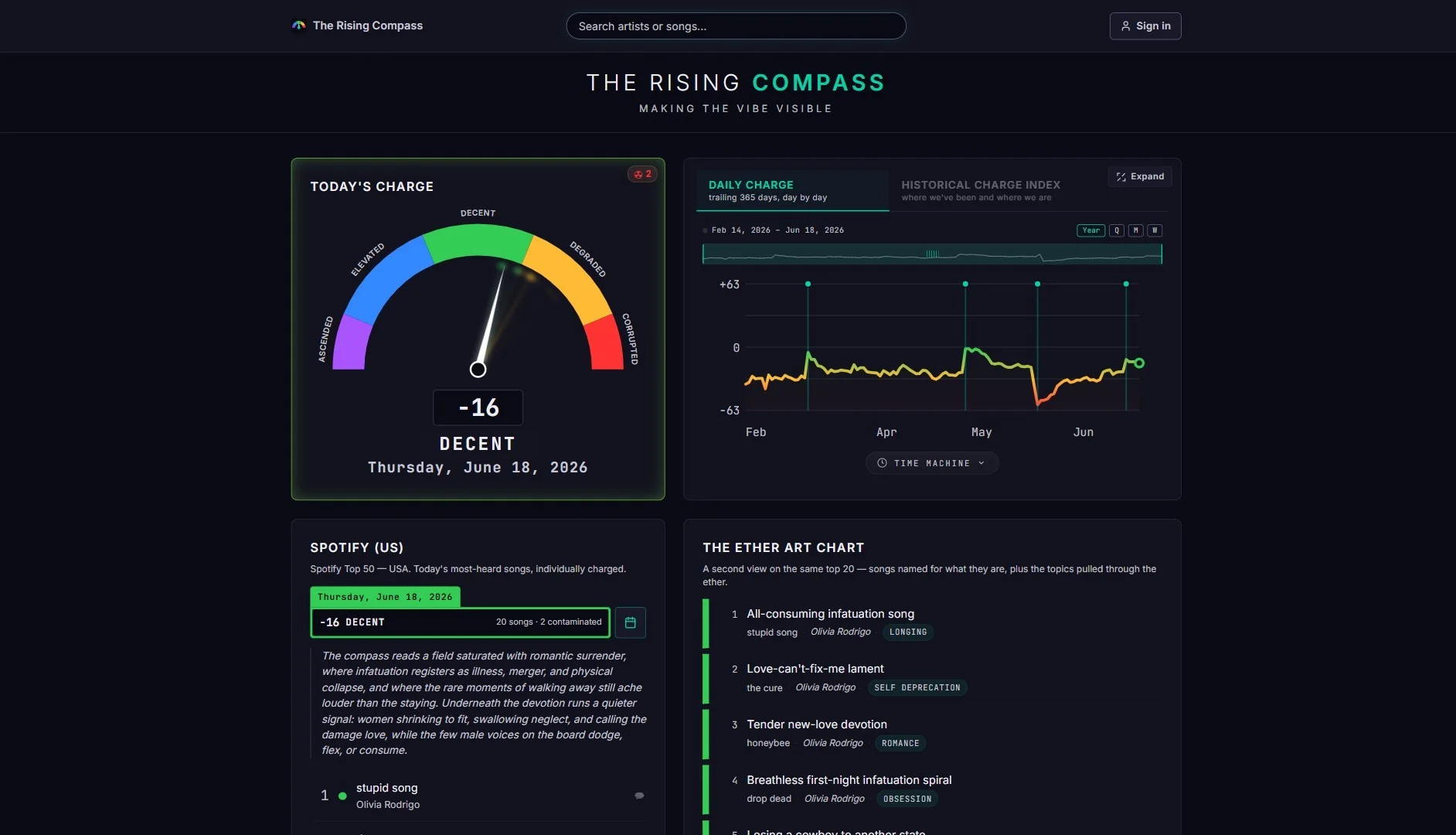
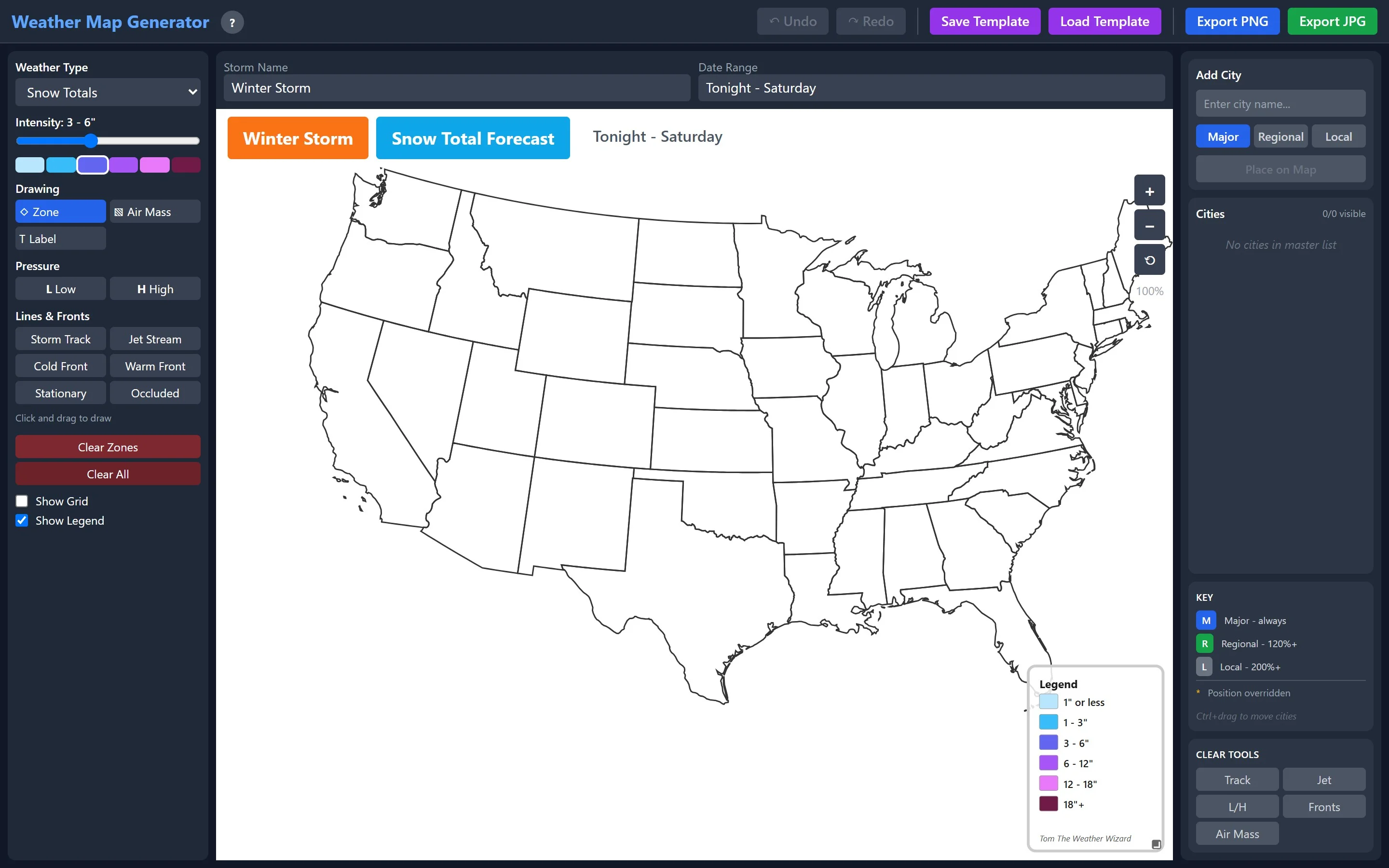
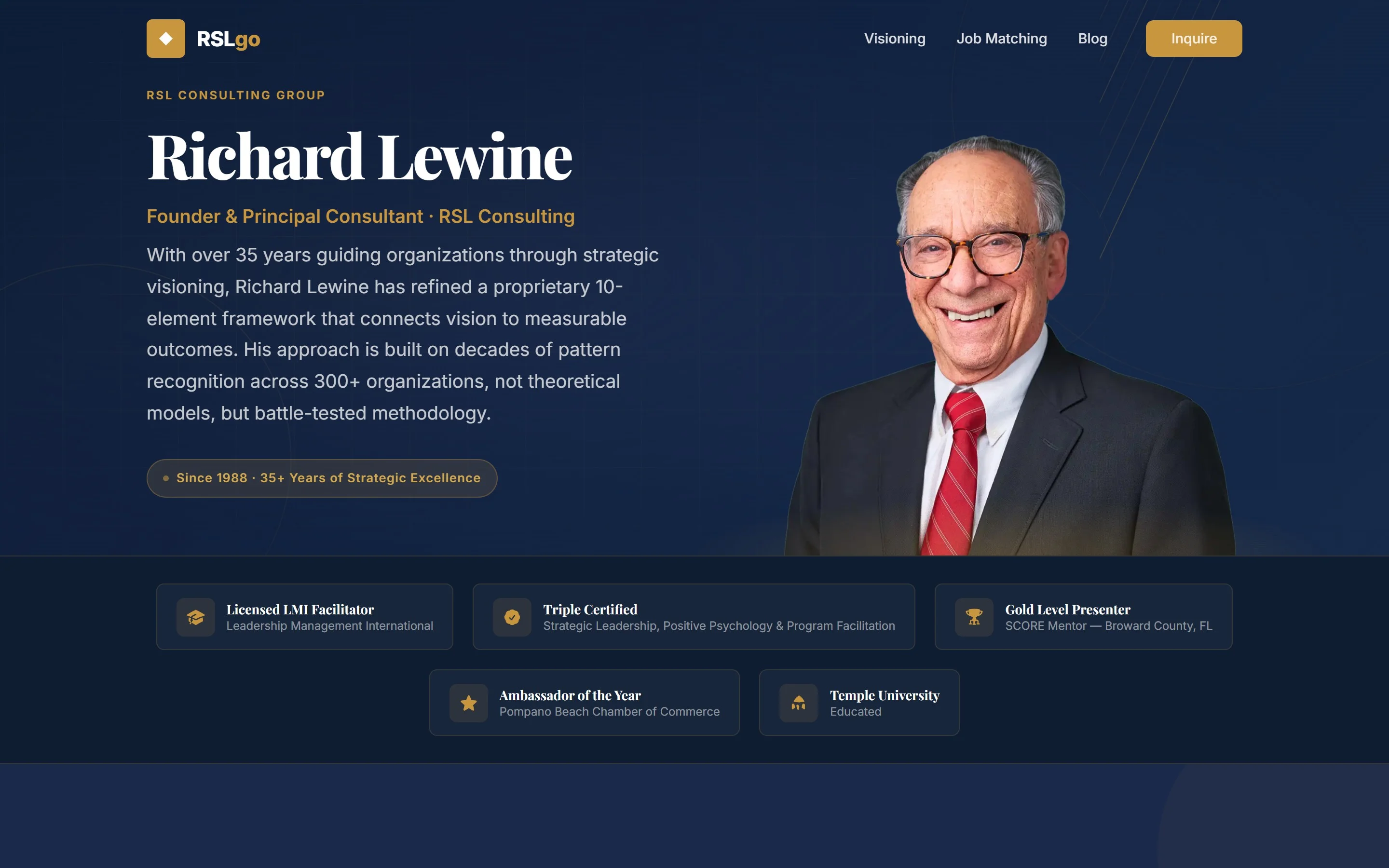
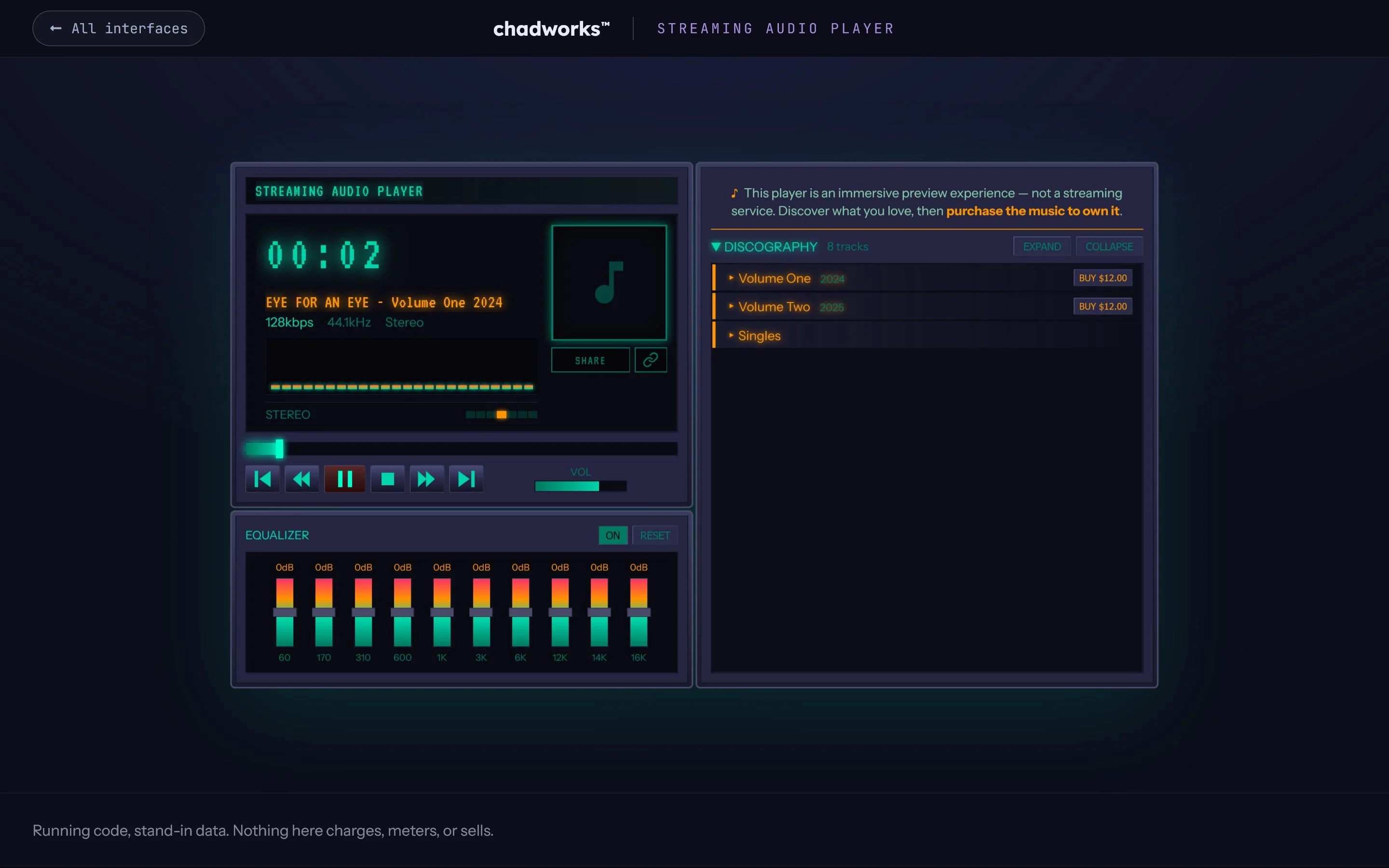
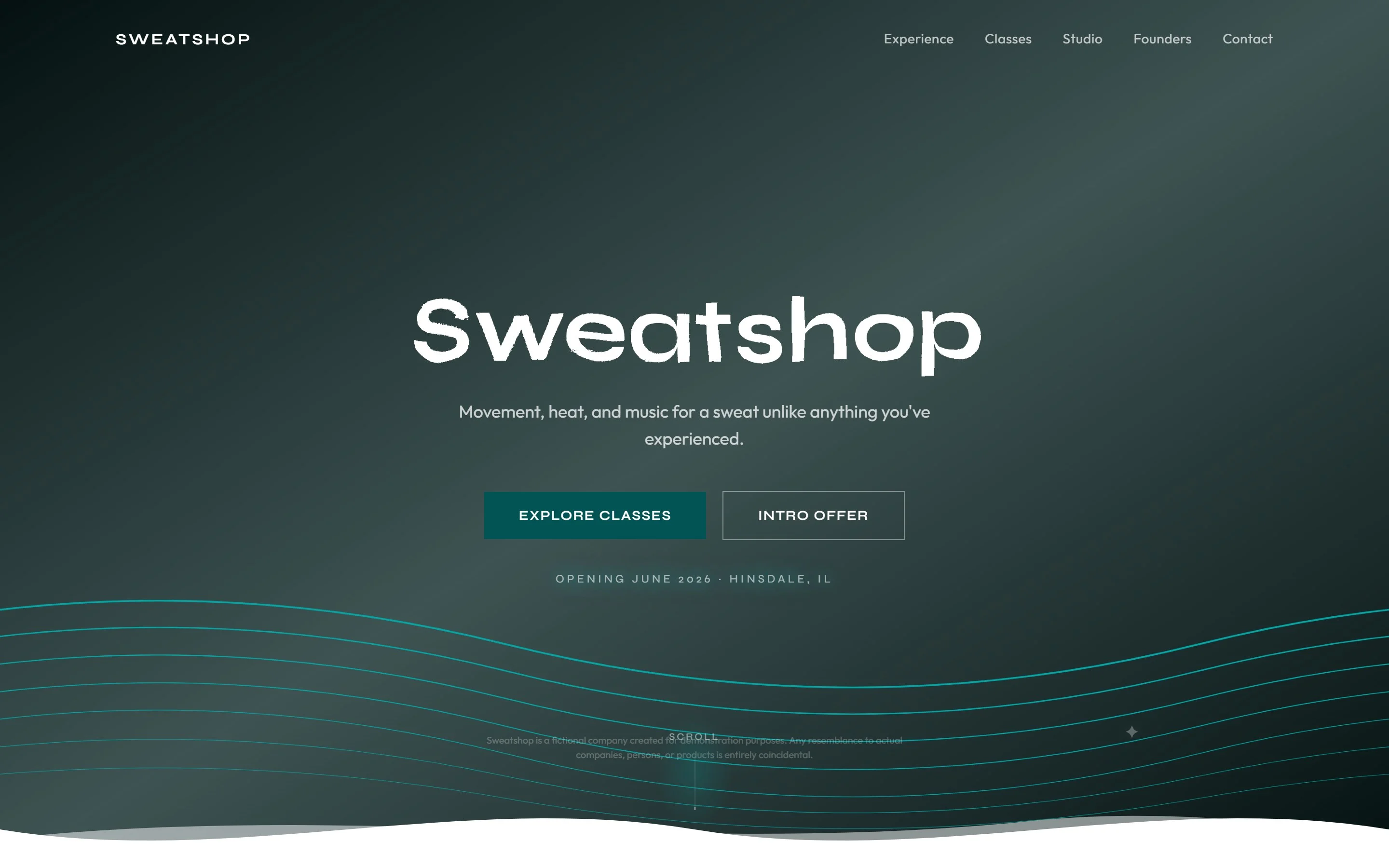
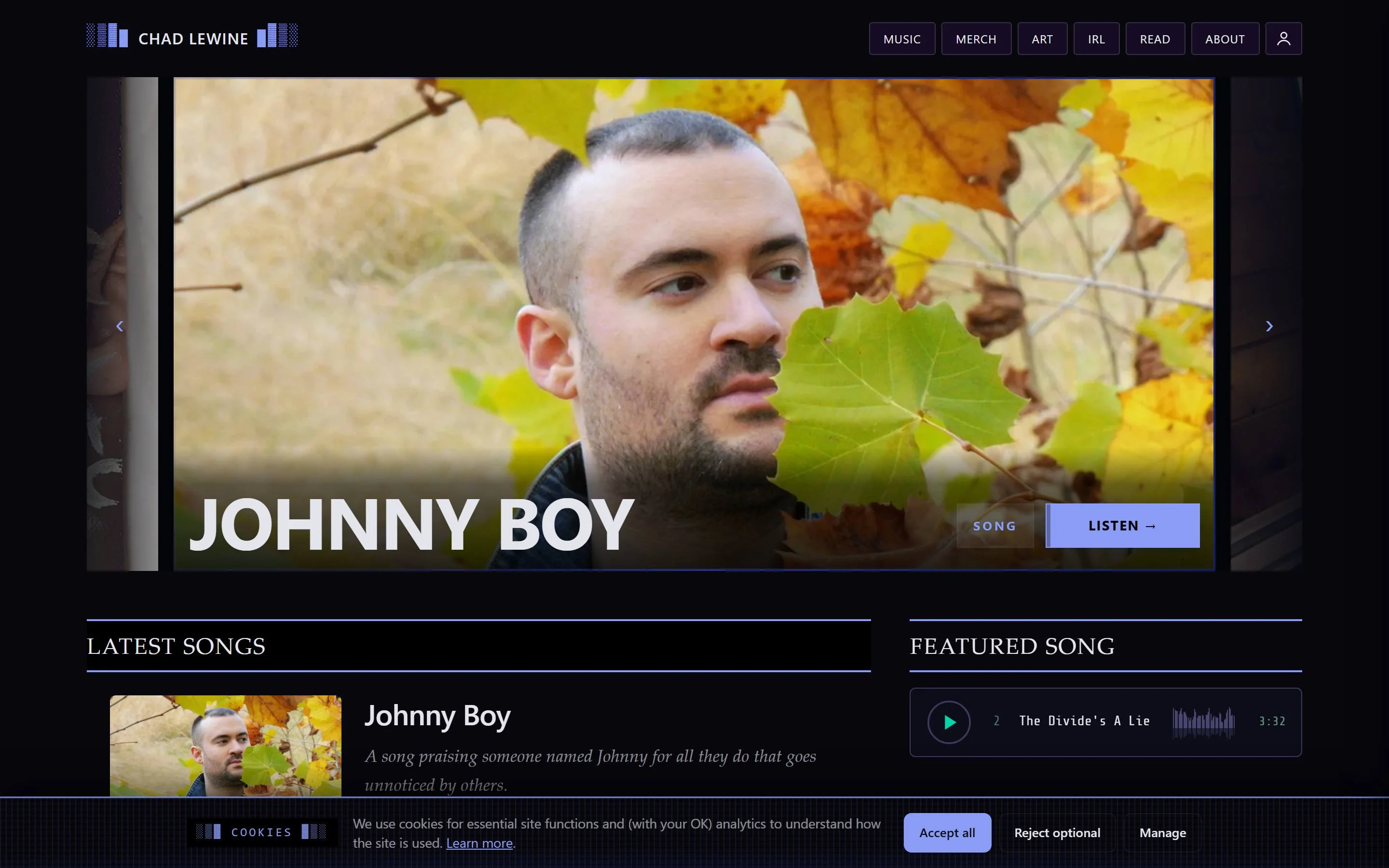
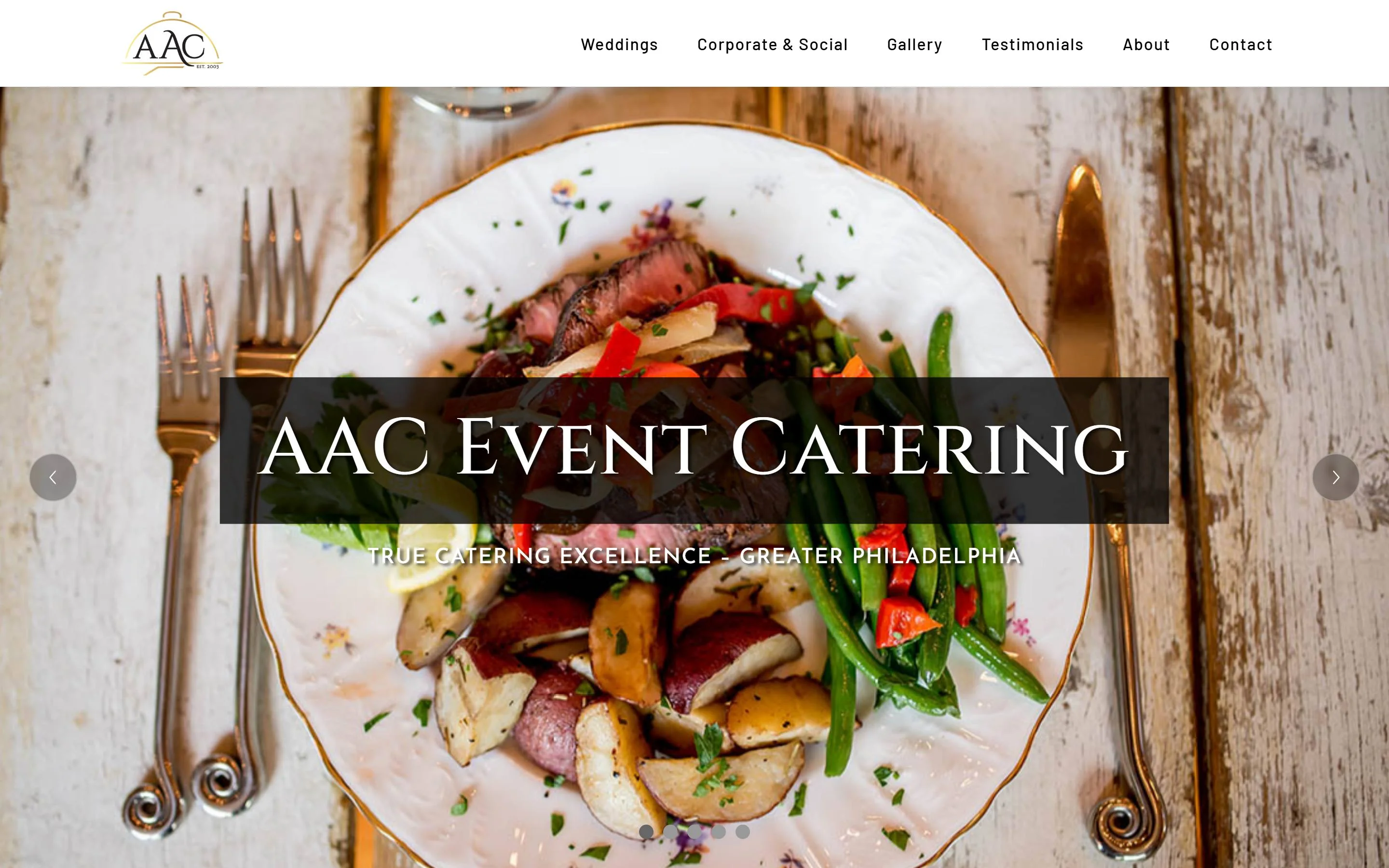
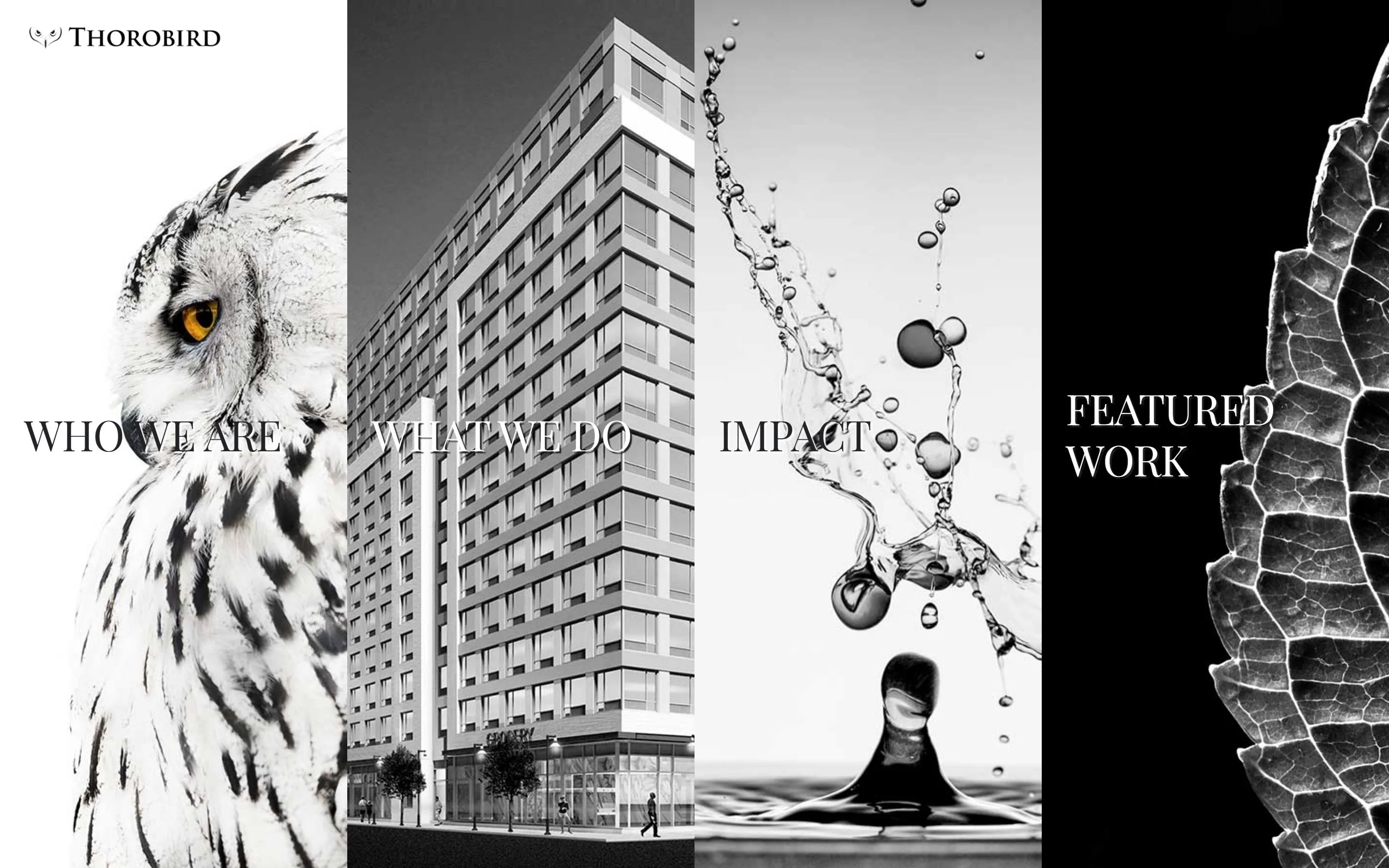
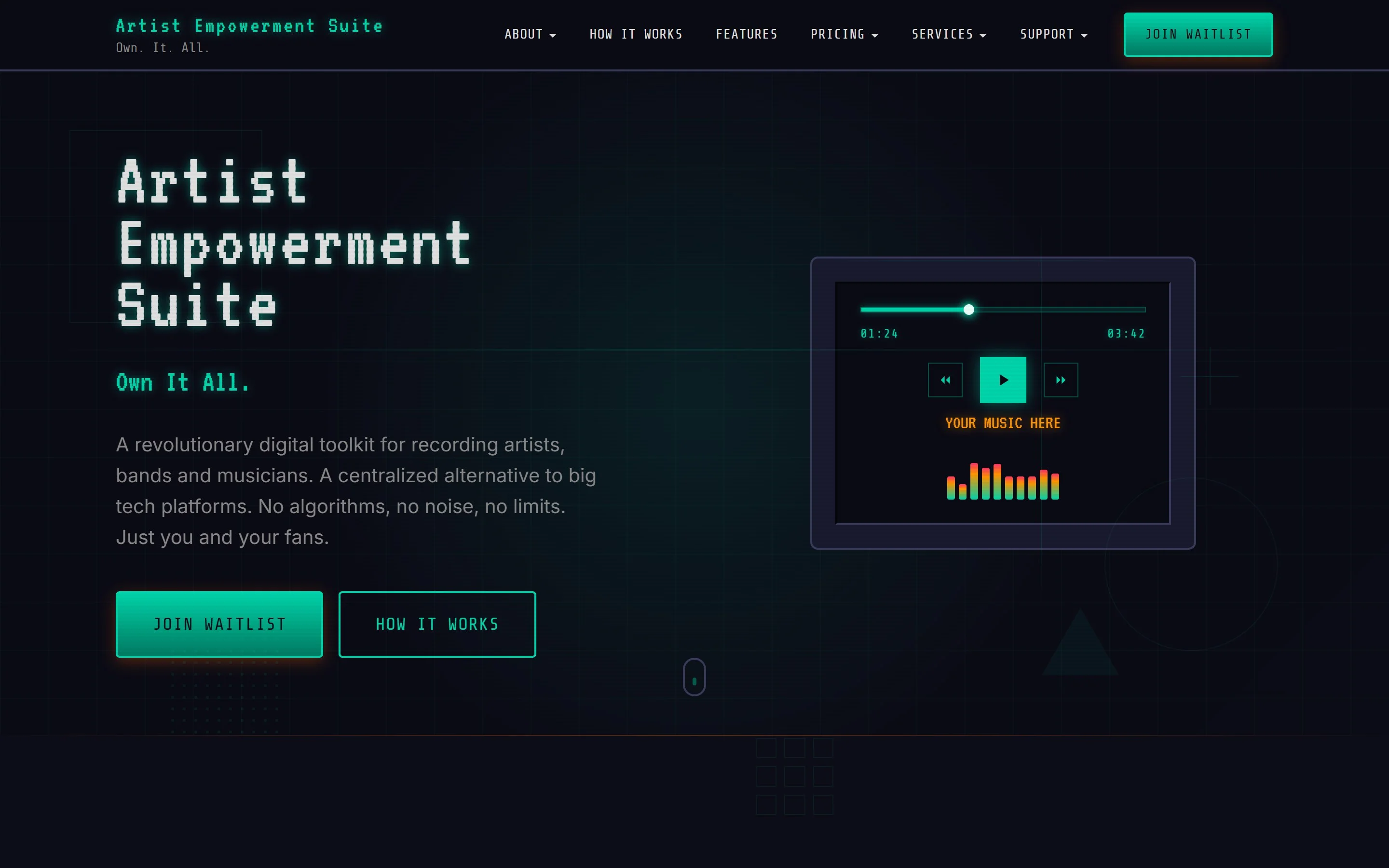

Trends come and go and the web changes. My values don't.
Chad Lewine
chadworks is for you if:
Probably not if:
What it costs
Per minute
$5.25 / min
I have always worked and delivered at a blistering pace, and with the onset of AI tools, charging by the hour is no longer an appropriate metric.
Flat-rate builds
From $3,250
Most sites land between $5,000 and $10,000. For more information about flat rate projects, click here.
Flat rates shown are general estimates for information only, not a formal quote or binding offer. Your actual price is set in a written proposal before any work begins.
The questions buyers actually ask about web design, answered the way I'd answer them on a call. If yours isn't here, ask me directly.
Website design is the visual aspect of a website.
This includes the UI (user interface), which includes colors, fonts, images and other media. It also covers UX (user experience), which is the way a visitor explores the website; the path they take, the links they click and where those links go, the forms they fill out and the buttons they push.
UI and UX work together to make it easy for your visitors to find what they're looking for. The design is the aesthetic of that interface and experience.
Without design, you'd be looking at indecipherable lines of code and spreadsheet-like data, and would not be able to find what you need.
No. Every design is custom built around your business, which is the point of hiring a designer instead of buying a theme. The only time a theme enters the picture is when you deliberately choose the WordPress route for managing your own content, and even then I design on top of it until it doesn't read as one.
Design is what you see and feel. Development is the code that makes it real and keeps it fast. They're two halves of the same job, and I do both, so start on whichever word matches how you think about it. The result is the same site either way.
Sometimes, and I'll tell you honestly which case you are. If the bones are healthy, a redesign can ride on them. If the site is held together by page-builder duct tape, redesigning on top of it just paints over the problem, and you'd be paying twice. I look first, then recommend.
All of it, with guardrails. You see a real direction early and we steer it together, and you always hold the veto. The flip side is that if something you ask for would hurt the site, in usability or in search, I'll say something. That honesty is part of what you're paying for.
Less than you'd think. A sense of what the site has to accomplish, plus any photos and words you already have. Real photos of your work beat stock photography every time. Logo, colors, and the rest can be designed along the way if you don't have them yet.
Chad went above and beyond and exceeded our expectations with the final product.

Mary Lynn Renner, AAC Event Catering (Lansdale, PA)
Chad is very professional, talented and skilled. He does not try to sell you on products or services that you don't need.

Kimberly Dolan, K.I.M. Keep It Moving (Philadelphia)
Send me a message about your business, project or initiative. There are no dumb ideas and no stupid questions. Tell me your vision, big or small.
Email directly
chad@chadworks.coCall directly
(215) 872-1240Based in Greater Philadelphia, PA.
Tell me about your business through the contact form or a quick email. I usually reply within a day.
I'll tell you straight whether chadworks is the right fit, with a rough scope and ballpark estimate, and no pressure to commit.
You get a granular and detailed proposal-agreement, outlining the scope of the project, the fees involved and the expectations of both parties.
You see an actual design direction in days, not a surprise after weeks of silence, and we steer it together.